If you are a woman, inserting a sounding rod into your lady bits will be harder and less straightforward. That means you’re gonna need lots of patience and take greater care. You might also need to spread your labia and hold it in position with one hand to have better access to your urethral opening.
When the sounding rod is in, gently move it in and out and in any direction. Imagine you are stirring a teacup and the sounding rod is the handle of the spoon. Yeah, move the rod around and see which direction best makes you feel like a lottery winner! When you are done playing, gently remove the rod and wash up. Pee as soon as possible to wash out lube and any bacteria that might have made its way inside.
Inserting something into your genitalia is not kid’s stuff and you must never use tools that were not designed and marketed as urethral sounders. See, there are frankly too many video clips out there of folks using toothbrushes, pencils, screws, and the like as urethral sounders and ending up in the emergency room. We don’t want to see more videos like that, and we don’t think emergency room personnel are thrilled to be pulling unusual stuff out of urethras. So, if you want to explore your urethra or that of your partner, only use those tools that were expressly crafted for the purpose.
Also, urethral sounding is not supposed to hurt. So, if pain or discomfort is experienced during urethral play, the wise thing to do would be to stop and perhaps resume another day. Never push further when unusual pain and discomfort are evident, or your ass could end up in deep shit! Stop immediately if there’s bleeding, numbness, a cold that’s spreading from your genitalia to other body parts, redness, unusual discharge, and change in the color of the genitalia. If pain is experienced 24 hours after urethral play or there is unusual stuff going on down below, we would suggest making a beeline for the emergency room.
However, pain and discomfort might be a consequence of using sounding rods that are either too big or too small. Rods that are too small can put holes in your urethra and that’s never a good thing. On the other hand, those that are too big can stretch your urethra so widely that it tears.
Worth noting is that using sounding rods on the regular of increasing diameter will result in your getting a bigger peehole. But that won’t be the case if you sound your oak tree once in a while rather than weekly or daily.
Sounding Rods: Pros & Cons
While there are some health risks to using sounding rods, these can be nearly eliminated if these sex toys are used with patience and common sense. Unfortunately, common sense is an increasingly rare commodity on the planet at the moment.
The biggest pro to urethral sounding is that it is simply too orgasmic to be accurately described. Plus there’s something kind of magical about sticking things into your urethra. Doing stuff like that can broaden your horizons and push your boundaries to the point that you will be more accepting of sexual acts and practices that society might disapprove of.
Now, while urethral sounding can be among the sweetest things known to mankind, it can be an exceedingly dangerous practice, especially when not done right. Using unsterilized equipment or dirty hands can result in urinary tract infections that might spread to the bladder and kidneys. And if you are using a tool that’s not expressly designed for urethral sounding, there’s a real chance that it will wind up deeper inside than intended and an emergency room visit will be required to dig it out.
Careless urethral sounding can lead to urethral perforation, which if not attended to in time can lead to fistulas and tissue necrosis. And improper use of sounding rods can result in urinary incontinence.
Given these risks and the fact that most of us only have one willy, we would advise exercising the utmost care when using sounding tools.
Types
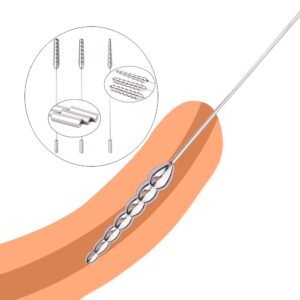
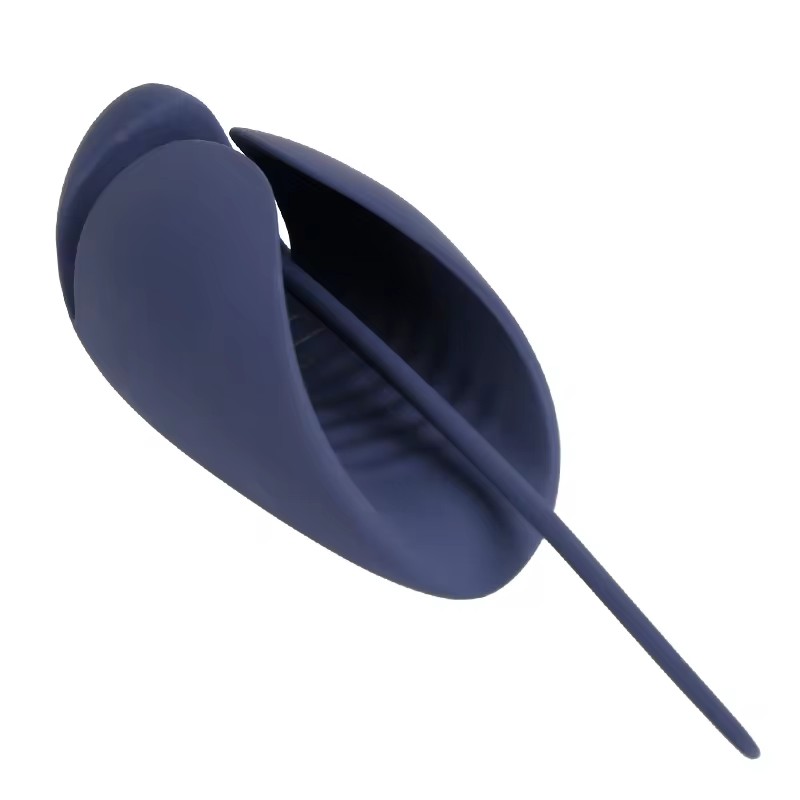
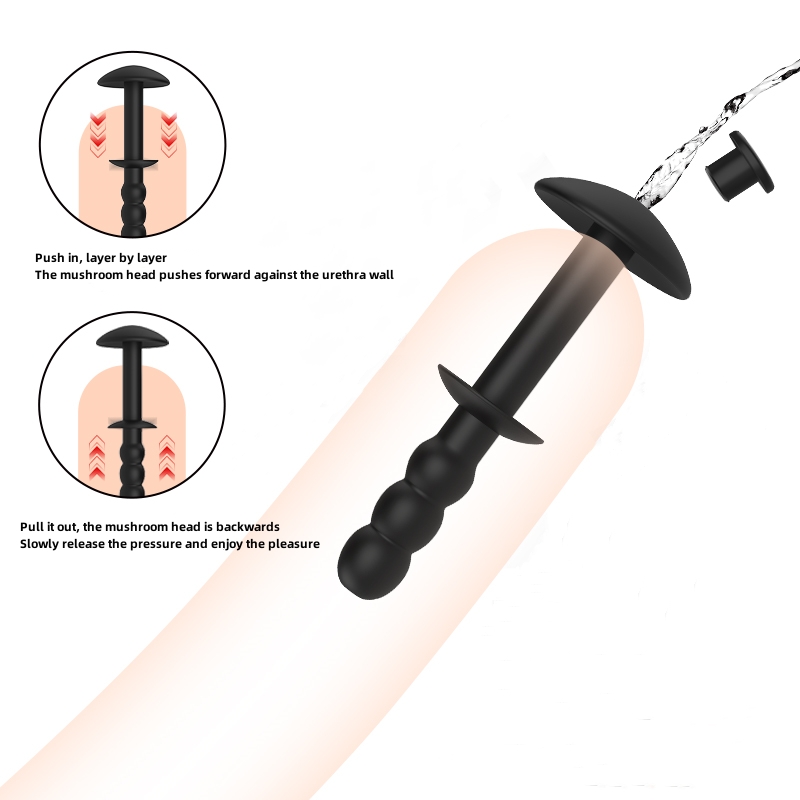
Sounding rods can be of varied shapes, lengths, and girth, but are of 3 general types. The first type is the sounder and it is usually long, thin, metallic, and designed to go deep into the urethra. The second is a plug that due to its design can only be inserted an inch or so into the urethra. And the third type is a catheter, which is mainly a medical tool, and yeah, it can dive inside and tickle either your prostate or bladder.
Most sounding rods are made of medical-grade steel, but some are of titanium construction. These metallic tools feel heavy and comfortable in the hand, but are inflexible. Silicone, plastic, and glass sounding rods exist, with silicone rods being extremely flexible but requiring lots of lube.